Outfitting a Whitestown Apartment Building With Window Coverings
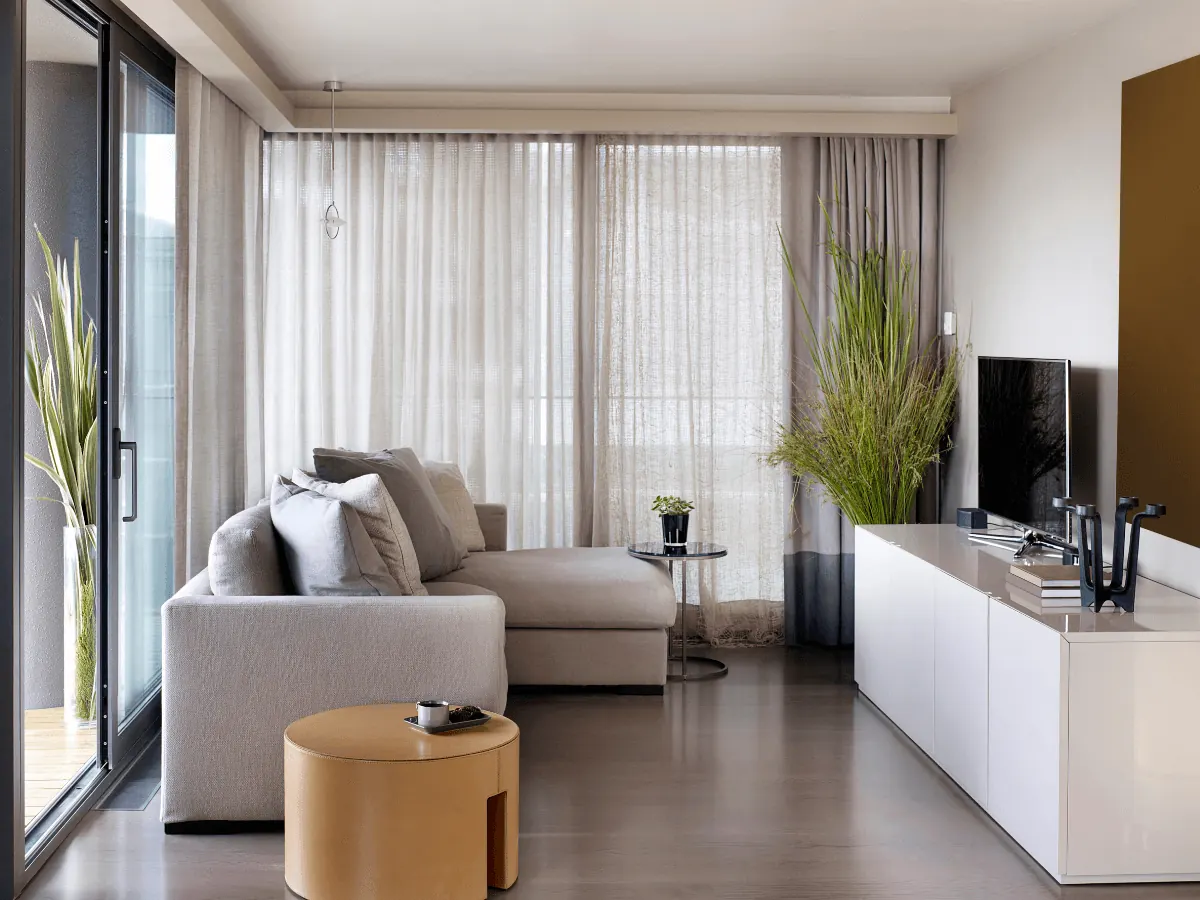
Specifying window coverings for a Whitestown apartment building involves a different set of decisions than a single-family rental, starting with how many units the same order needs to cover.
Why Rental-Grade Window Coverings Aren't the Same Product as Retail
Run the numbers on window coverings the way you'd run the numbers on flooring or paint, and the retail-grade option stops making sense fast. A nice wood blind might run several times the cost of a vinyl one per window, and in a Whitestown rental that turns over every year or two, that markup doesn't survive contact with the first move-out. Rental-grade product exists because the math is different when you're outfitting units instead of a single home.
Vinyl and faux wood blinds cost less per window, wipe down between tenants instead of needing replacement, and hold up to bathroom and kitchen humidity that would warp real wood. For a landlord thinking in terms of cost per unit per year rather than cost per window at purchase, that's most of the decision right there. It's the same logic that already applies to flooring choices in a rental, where a durable, replaceable material beats a nicer one that shows every scuff.
Durability: What Actually Survives Between Tenants
Vertical blinds on a sliding glass door rarely make it through more than a couple of tenants without a cracked or missing vane, especially in a unit with kids or a dog that treats the patio door as the main exit. Matching a replacement vane to the original headrail gets harder as products get discontinued, which is why a lot of Whitestown property managers eventually give up and replace the whole unit rather than keep patching it.
Bathroom windows tell a similar story. A cheap composite blind that's really paper under a vinyl wrap will bubble and swell with steam and humidity inside a year or two, while true PVC or solid vinyl holds up through cycle after cycle of showers without changing shape. The upfront cost difference is small compared to how often the cheap version needs replacing, and it shows up as a maintenance ticket a manager could have avoided by specifying the right material the first time.
Ordering and Installing Across Multiple Units or Buildings
Large jobs get quoted and staged differently than a single home. Working from unit floor plans and a window schedule lets a whole building get priced and ordered efficiently, with installation staged by floor or by building phase to match a construction or renovation timeline instead of window by window.
Many HOAs and multifamily complexes also require a uniform white or off-white lining facing the street or a shared courtyard, regardless of what a tenant chooses to see from inside. Building that requirement into the spec from the start avoids a mismatched building elevation and a round of retrofits later.
Cordless Options and Why They Make Sense in Rental Units
Cordless lift systems have become the standard direction for stock blinds generally, and rentals are a good example of why. A dangling cord is one more thing that gets snapped, tangled, or pulled loose by a new tenant's kids or pets within the first month, and every one of those becomes a maintenance call. Cordless designs remove that failure point almost entirely.
There's also a simpler upside: cordless blinds tend to look better going into a new lease, since there's no cord to fray or discolor sitting in a window for years between tenant changes. Top-down bottom-up options are worth considering for ground-floor or street-facing Whitestown units too, since a tenant gets privacy from the bottom while still letting light in from the top, without needing to reach for a pull cord at all.
Weighing Upfront Cost Against How Often You'll Replace It
The cheapest blind on the price sheet isn't the cheapest blind if it needs replacing every single turnover. National pricing for basic vinyl minis sits at the low end of the range and faux wood a step above it, both well under custom materials, but the real number that matters is how many tenants a given product survives before it needs replacing, not what it cost on day one.
Don't lean on manufacturer warranty to cover that gap either. Most warranties are written for one original household, not a rotating door of tenants, so plan on a modest annual replacement line rather than assuming the first order is the last expense you'll see. Track a couple of turnover cycles and that number stops being a guess and starts being an actual budget line.
A free in-home measure across a property's units is a practical way to get real sizes and a clear sense of options before committing to an order.
Frequently Asked Questions
What's the most durable window covering for a high-turnover rental unit?
For most rental units, 2-inch vinyl or faux wood blinds hold up best against dents, moisture, and everyday wear, and individual damaged pieces are inexpensive to replace. Real wood looks nicer but doesn't handle humidity or rough handling as well, and it costs more to fix when it gets damaged, which makes it a better fit for lower-turnover, single-family rentals than true multifamily units.
Are cordless blinds worth the extra cost in a rental?
Usually, yes. A dangling cord is one of the most common points of damage in a rental unit, whether from kids, pets, or just wear over time, and every broken cord or cord lock becomes a maintenance call. Cordless lift systems remove that failure point, and the modest price difference at purchase is often smaller than the cost of fielding repeat repair requests.
Should every unit in a building have the same window coverings?
Standardizing on a small number of sizes and colors across a property makes reordering and repairs much faster, since a maintenance closet can hold spares that fit any unit. It's worth the tradeoff of slightly less individual customization, especially for properties with regular turnover.
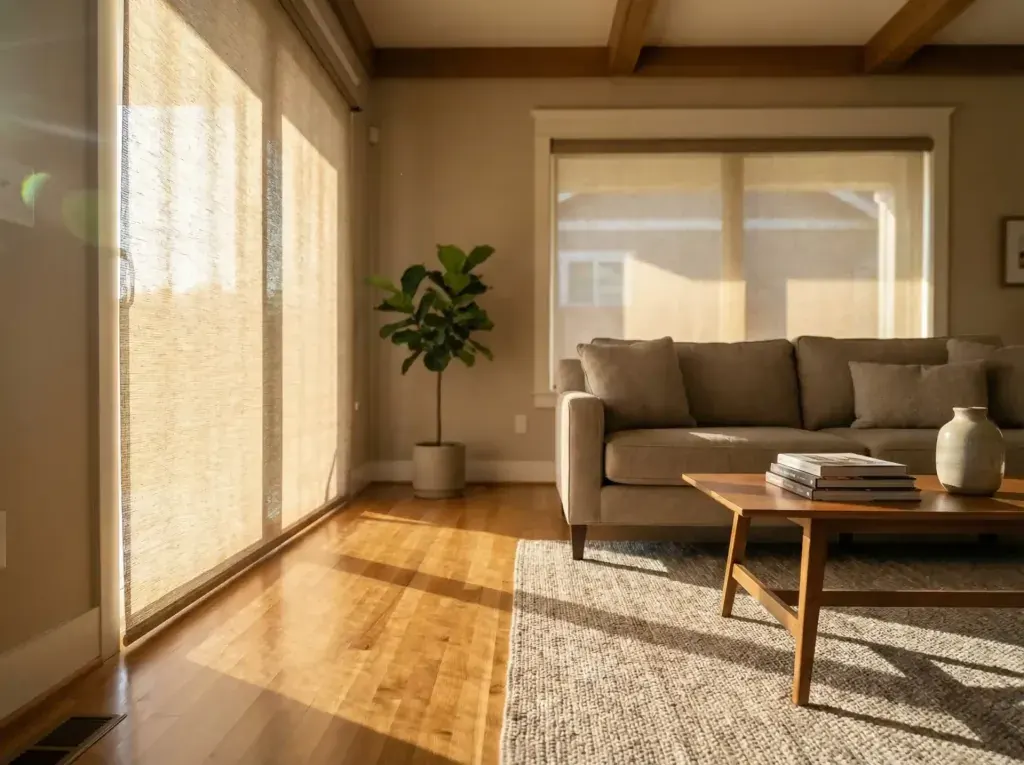 Window Treatments That Actually Hold Up in a Whitestown Bathroom
 DIY Window Measuring: A Straight Answer on the Risk
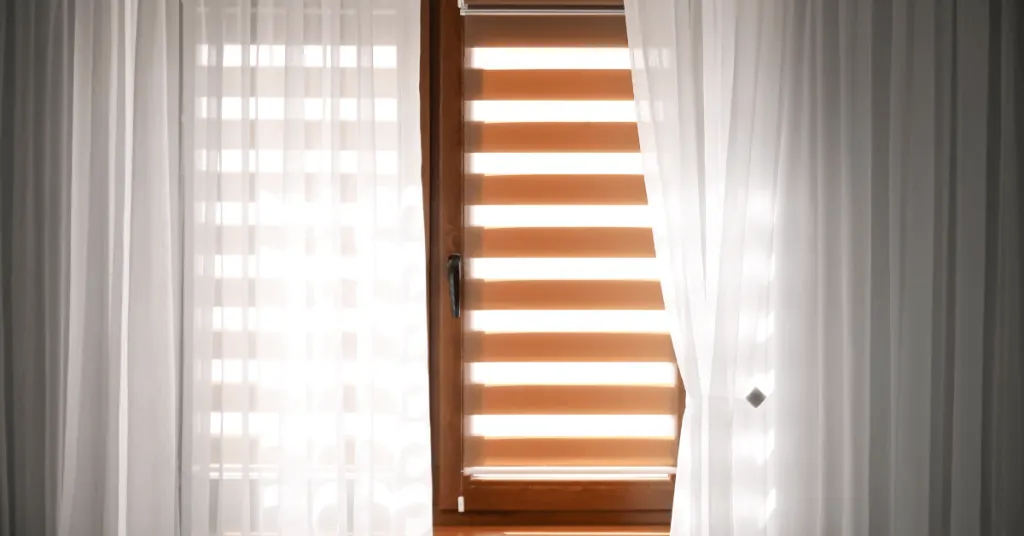 Why Whitestown Rooms Feel Cold Even With the Heat Running