Fabric and Color Mistakes We See in Whitestown Homes
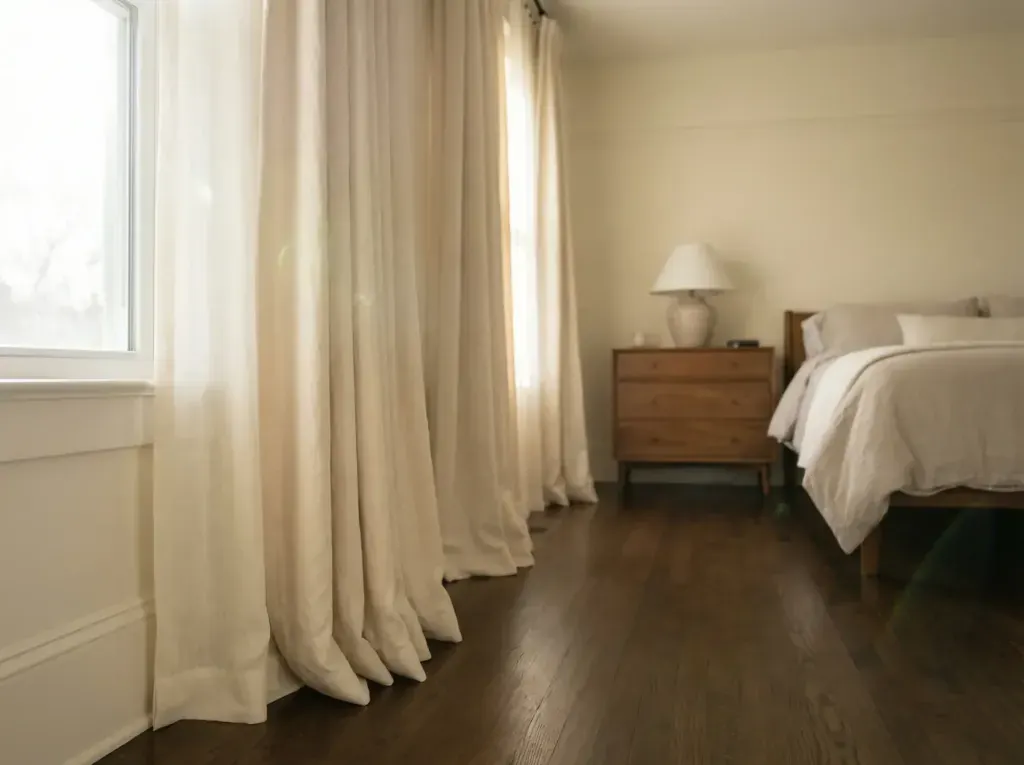
Custom drapery is not cheap, and a fabric or color mistake is expensive to live with once panels are sewn and hemmed to a specific window. A short list of questions before you order saves most of that regret, and none of them require any special expertise to ask.
Fabric Weight and How Drapery Falls
A formal dining room and a sunroom call for different weights even if the window sizes match. In a dining room, a heavier fabric like a linen-cotton blend or a light velvet gives the panels enough structure to hold a clean pleat and read as intentional rather than an afterthought. In a sunroom or a casual family space, that same heavy fabric can feel wrong, closed-in and formal where the room wants to feel open.
Ceiling height changes the math too. A room with nine or ten-foot ceilings can carry a heavier, more structured fabric because there's enough vertical space for the eye to read the fullness. In a standard eight-foot room, a fabric that's too heavy can make the ceiling feel lower than it is, while something lighter keeps the wall feeling tall.
We walk into a lot of Whitestown living rooms where the furniture already leans heavy, think a substantial sofa and a big rug, and in that setting a lightweight linen panel is often the better call because it keeps the window from adding even more visual weight to a room that already has plenty.
Light Control and Lining Options
If the budget only stretches to one upgrade, lining is usually the better spend over a fancier face fabric. A basic sateen lining protects the outer fabric from sun and dust on the back side, which is the side that actually takes the abuse, and it makes an inexpensive fabric hang noticeably better because it adds weight and body.
Blackout lining costs more per yard than sateen, but it's not a luxury add-on in a bedroom that faces east and gets direct sun before six in the morning. Compare that upcharge to the alternative of replacing curtains that fade and thin out in a few years instead of holding up for a decade, and the lining usually pays for itself.
One thing we tell Whitestown customers who are pricing this out: you don't need blackout lining on every window in the house. A dining room or a hallway rarely needs it. Save that upgrade for bedrooms and media rooms and use a lighter, cheaper lining everywhere else. Nationally, the price difference is easier to justify when it's targeted at the rooms that actually need it.
Pattern and Texture
Ask what the pattern repeat is in inches before ordering, both vertically and horizontally if it's a two-directional print. That number determines how much extra fabric the job needs and whether the pattern will center itself nicely on the window or land awkwardly off to one side.
Ask to see the fabric in a hank, not a flat swatch, if texture is a big part of the decision. Texture reads completely differently in folds than it does lying flat, and a swatch card genuinely cannot show you how a slub or a weave pattern is going to catch light once it's pleated.
And ask whether the fabric is directional, meaning it has to be cut and sewn with the pattern running one specific way. That affects how much fabric gets used and, on a big Whitestown window needing multiple widths, whether there's enough yardage left over if a cut goes wrong the first time.
Color and Sun Exposure
People assume a UV-resistant fiber or coating means the fabric won't fade, and that's not quite right. What it actually does is slow the rate of change, so a fabric that might show visible fading in a couple of years in a hot, sun-heavy window might take five or six years to show the same change with the right fiber and lining. It's a real difference, but it's a delay, not a stop.
Silk is the fastest fading natural fiber by a wide margin, and we're cautious about recommending it for any window with direct afternoon sun regardless of lining. Solution-dyed acrylics and many polyester blends hold color much longer because the color is built into the fiber itself rather than sitting on the surface, but they don't have the same hand feel as natural fiber, which is a real tradeoff some people don't love.
If a Whitestown homeowner is set on a natural fiber for a sun-heavy window, heavy lining and occasionally closing the panels during peak sun hours are the two things that actually help slow the damage.
Fullness and the Hardware Behind It
Fullness is the ratio of fabric width to rod width, and it's the biggest reason two panels made from the same fabric can look completely different once hung. A pleated panel at standard fullness, roughly two to two and a half times the rod width, falls in defined, even folds. Cut that ratio down to save fabric and the panel looks flat and skimpy no matter how nice the fabric is.
Heading style changes how much fullness you actually need. A grommet panel typically wants less fullness than a pinch pleat to look right, because the grommets themselves create even waves. A ripplefold panel, riding on a track with evenly spaced carriers, often needs the least fullness of all because the wave spacing does most of the visual work.
None of that matters if the hardware underneath can't carry the load. A wide Whitestown window with a heavy, fully lined panel needs a rod rated for that weight, ideally with center support if the span runs past six feet, or the rod will bow and the panels won't glide evenly.
Most fabric and color regrets trace back to a decision made without seeing the material in the actual room. Booking a free in-home measure lets you catch weight and lining issues before anything is cut, which is a lot easier than fixing them after.
Frequently Asked Questions
What is the difference between blackout lining and regular lining?
Regular lining, usually a cotton sateen, adds body and cuts down glare without blocking much light. Blackout lining has a foam-coated or tightly woven layer bonded to it that blocks nearly all direct light through the fabric itself, though some light still leaks around the edges and top of the panel since drapery is not a sealed system the way a shade in a track is.
Why did my curtain color look different once it was installed?
Almost always it is the lighting. Showroom fluorescent lighting and a home's actual daylight render color very differently, and a swatch that looked warm and creamy in the store can look cooler or flatter once it is hanging in a room with different light exposure. Testing a sample against the real window at different times of day avoids most of this surprise.
Is a more expensive fabric always the better choice?
Not automatically. Price often reflects fiber content and how the fabric was dyed, both of which affect drape and how long color holds, but a well-chosen mid-range fabric at the right fullness and with good lining can outperform an expensive fabric that is skimped on those details. Weight and construction usually matter more than the price tag alone.
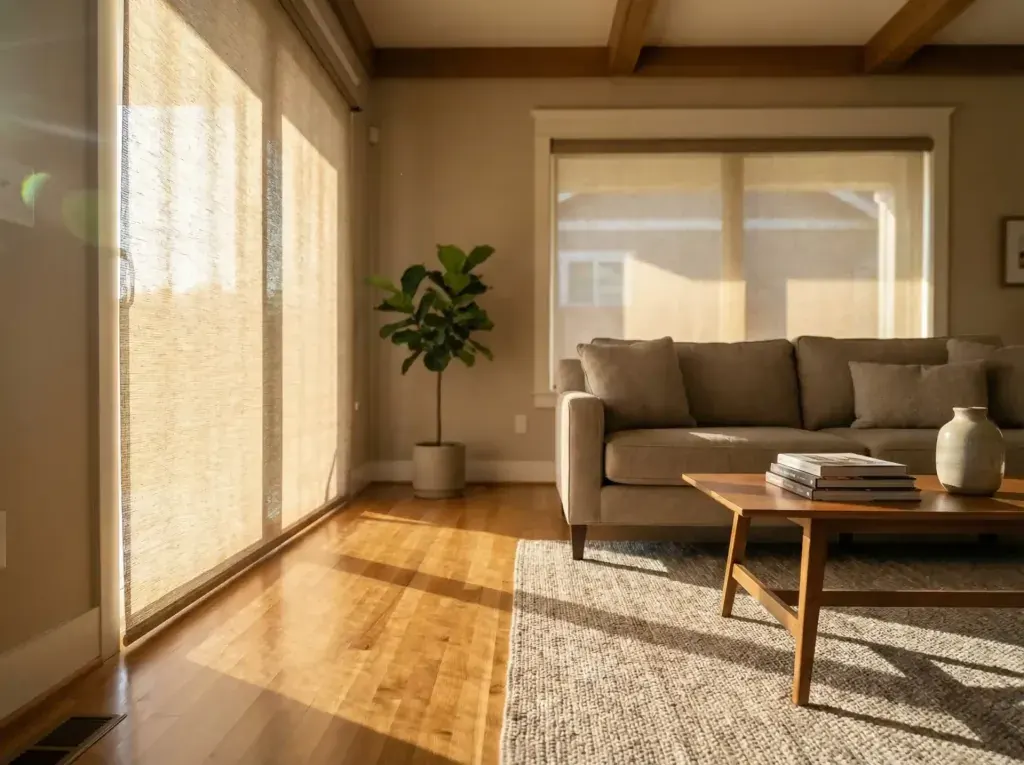 Window Treatments That Actually Hold Up in a Whitestown Bathroom
 DIY Window Measuring: A Straight Answer on the Risk
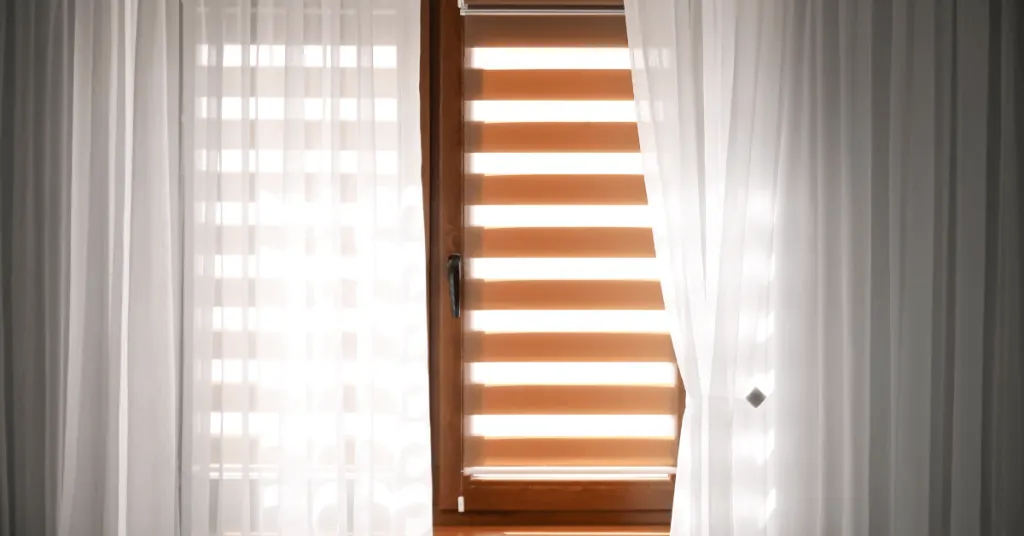 Why Whitestown Rooms Feel Cold Even With the Heat Running